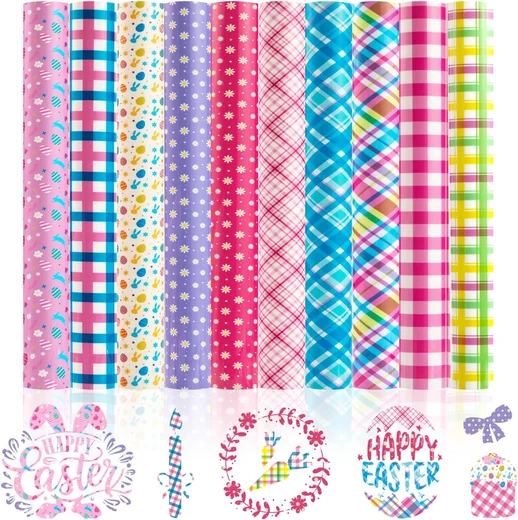
As a beginner, heat transfer vinyl is a great medium to use if you want to customize clothing in a simple fashion, for example, shirts with letters, logos, and numbers. This medium comes in a variety of colors and finishes and is sold in both rolls and sheets. In order to get your design on a piece of heat transfer vinyl, it must be done in a cutting machine. Once your design is cut out of the heat transfer vinyl the unwanted vinyl is removed, and your design is ready to be heat pressed down to your material. This method is great for small scale and individualized custom clothing.
The Procedure of Creating with Vinyl Designs
The initial step with heat transfer vinyl is digital design creation. This could be in the form of shapes, text or art, and can be done easily with many design software options available. There is a necessity to cut the design in a mirrored version, as the transfer to the fabric is done in a reverse manner. The excess material is removed in a process called weeding after the design is cut. The vinyl design is then placed in position on the T-shirt and transfer is done as per the required settings of temperature, pressure and time.
The Vinyl Type Selection
There is a wide variety of heat transfer vinyl and each has the ability to produce a different effect. For more mundane designs, standard vinyl would suffice while the glitter option would be more suitable for children’s designs or a shirt to celebrate an occasion. For a more elegant finish, the metallic option would be appropriate and for special safety designs, reflective material would be more appropriate. For beginners, the instructions from the manufacturer should be referenced always. Not all vinyl types can interact with all fabrics. To avoid poor adhesion and other effects, the correct type combination should be used to choose the appropriate fabric.
Why Vinyl is Ideal for Personalization
One beneficial quality of heat transfer vinyl is creating products with a high level of personalization. Individual names, sport’s numbers, and messages with a logo, or even letters, can all be made. This technique is great for small businesses as they take low quantity or even, single orders. This means there is no need to make a hundred (or more) shirts at a time. This technique allows for on demand customization. Because of this, beginners can experiment with personalization while avoiding a huge inventory problem.
Intro to Sublimation Printing
Another method for creating personalized products and custom apparel is sublimation. Unlike the other method where the material was cut, here, the design is printed on transfer special media and, with the application of heat, sublimation occurs. The special inks become gas with high temperature and bond to suitable polyester surfaces. A key player in this process is sublimation paper, as this holds the design to be printed. When done correctly sublimation can be very effective, as the thick layer created, in the top, of surface can be vibrant.
Why You Need a Shirt Heat Press
For most methods of decorating apparel, a shirt heat press is indispensable. A press is capable of applying both consistent heat and pressure to transfer a design to a garment. A shirt heat press is superior to an iron because it allows for full control of heat and gives you the ability to ensure a consistent surface. This is crucial when making a batch of shirts for a client. The right tools are key for both sublimation transfers and vinyl. Too, the right tools both help streamline the process and enhance the quality of the finished product.
Heat and Pressure Settings
Knowing how to properly operate a shirt heat press goes beyond just turning the machine on. Each transfer type can have different requirements for heat, pressing time, and pressure. For example, vinyl vs. sublimation would be a completely different pressing setting. It can also depend on the fabric you are working with. Too much heat can ruin certain fabrics, and too little can result in a poorly done transfer. Always follow the guide for the transfer product you are working with and do a test transfer before committing to making a lot.
Using Polyester in Sublimation
In sublimation, specially coated items and sublimation friendly polyester are the best choices. Unlike transfer vinyl, sublimation can’t be used on every fabric. For the ink to be transferred in sublimation, the material has to be a sublimation friendly fabric. Commonly used polyester fabrics for sublimation are white or light in color since the sublimation ink does not supply white in an opaque fashion. Before an investment of a beginners’ money, it is very important to know and understand these limitations. The fabric selection is a very important step in all basic sublimation projects that will yield good results.
Avoiding Common Vinyl Issues
There are some common errors when first working with heat transfer vinyl. One common error is forgetting to print in reverse. Hitting a snag when trying to remove excess vinyl can be an indication of poor cutting. Trying to apply a transfer with to much or to little pressure can also result in problems. Forgetting to position your transfer can also bring on an unnecessary complication. Most of these errors are caused by skipping simple procedures. Developing a routine that contains all the steps will help to improve the quality of the work and reduce vinyl waste.
Making Products for Various Customers
Not all customers use the same method for printing. For example, someone ordering a custom sports shirt may want the names and numbers printed using heat transfer vinyl, while someone ordering a shirt made from colorful polyester may want the printing done by sublimation. Some companies may order uniforms to print company branding, while some families may print shirts for a special occasion. From your understanding of your customers, you may decide what printing materials you want to keep in stock. Multiple techniques can create variety in your business, and can help you suggest the most appropriate method for each design task.
Conclusion
Printing custom shirts is a great way to inspire your creativity and gain new business, whether you are just starting out or an already established business person. For custom designs, names, and numbers, simple heat transfer vinyl is a great option. Sublimation paper is a product in the sublimation process, and is key for vibrant prints on products. A reliable shirt heat press is your best friend to ensure a great result for all heat transfer projects, as it offers the perfect combination of specialized heat and pressure for the job. The secret to a good custom apparel printing business is knowing the process and materials, along with providing quality service and maintaining your equipment. With all of this in mind and in combination with your creativity, you may find yourself being rewarded with a successful custom apparel printing business from the comfort of your own home.